Autor: laura.kowalski12

  • Roulette Tournaments Online For Australian Players Who Want Structure

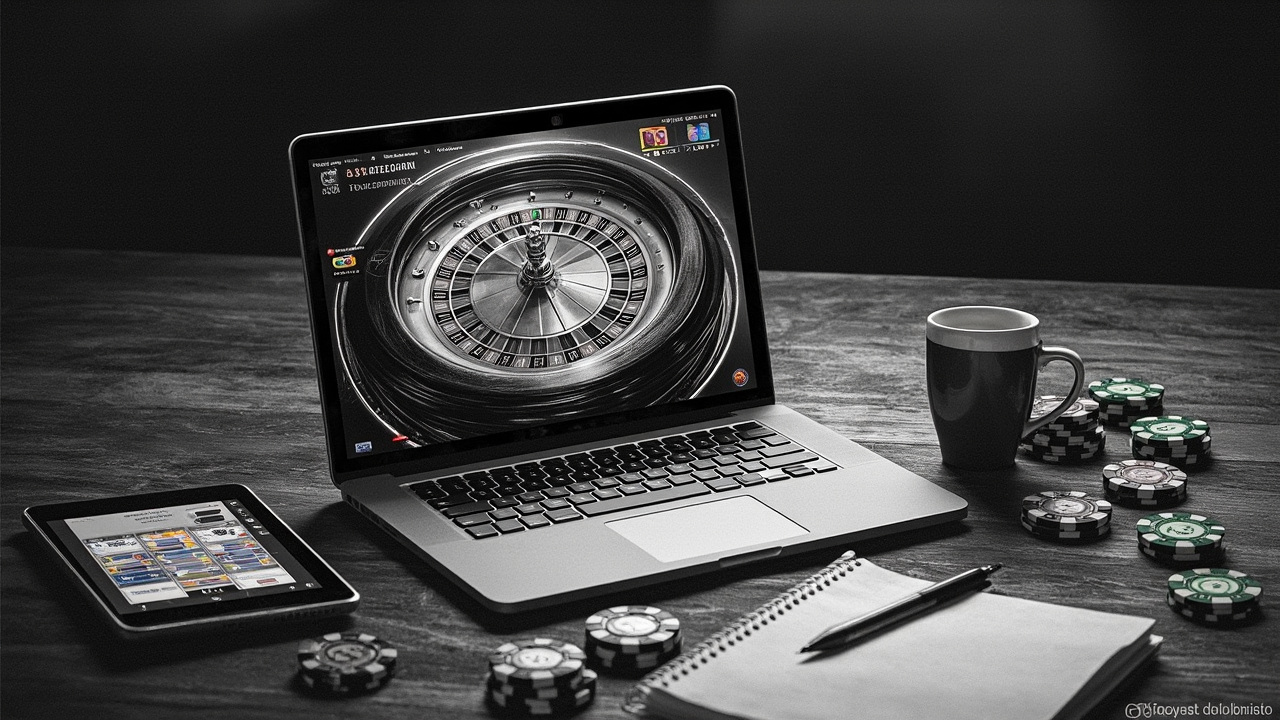
    If you have spent any time around online casino communities, you know the social side matters just as much as the spin itself. Roulette tournaments online bring that shared energy into a format where everyone is racing the same clock and chasing the same leaderboard. For players in Australia who like a clear set of rules and a finish line, that structure can feel a fair bit more engaging than a lone session at a table. The trick is finding events that actually reward skill and pacing rather than just handing out a participation ribbon.

    How Tournament Formats Actually Work

    A roulette tournament is not the same as dropping coins into a regular spin and hoping for the best. You usually start with a fixed bankroll or a set number of chips, and the goal is to finish with more than the other entrants when the timer runs out. Some events use a simple elimination style, where the lowest stacks drop out as the rounds progress, while others keep everyone in until the final leaderboard is locked. The format changes the whole feel of the session, because you are managing risk against a clock rather than playing indefinitely.

    I have spent years watching how communities grow around competitive formats, and the ones that hold attention are the ones with transparent rules and a finish line people can actually see. Back when I was mapping out acquisition funnels for community-driven platforms, the pattern was always the same: players stick around when they understand the scoring and can plan their moves. That same logic applies here. If the tournament rules are muddy, people play on autopilot and leave. If the structure is clear, you get proper engagement and a reason to return for the next event.

    For an Australian player, the appeal often comes down to pacing. A well-run event gives you a reason to sit down for a focused arvo session instead of drifting in and out of a regular table. You can track your position, adjust your bets, and know exactly where you stand relative to the field. That kind of clarity is what separates a decent tournament from one that just feels like a rebranded spin session with a leaderboard bolted on.

    Where Tournaments Fit Your Play Style

    The right tournament depends on what kind of session you actually want. If you like a bit of pressure and do not mind watching your stack shrink or grow quickly, a short elimination event can be a sharp fit. Those rounds move fast, the leaderboard shifts often, and you are making decisions every minute rather than letting time pass between spins. They suit players who enjoy reading the room and timing their moves instead of just grinding through a long session.

    If you prefer a steadier approach, a points-based event is usually the better match. Those tournaments reward consistent play over a longer window, so you are not forced into reckless bets just to stay alive. You can build your position gradually, keep your risk in check, and still climb the board without needing a lucky run to save you. That style works well for players who treat the session as a planned outing rather than a quick hit.

    A third scenario is for players who want the social side without committing to a full competitive grind. Some events run with looser entry conditions and a lighter leaderboard, which gives you the fun of competing without the same intensity as a knockout bracket. That can be a good way to test the format before you commit to a serious stack. I have seen community groups grow fastest around formats that let newcomers try a round without feeling punished for learning the ropes.

    What To Look For Before You Enter

    Before you put any chips into a tournament, check the entry conditions and the prize structure properly. Some events run with a modest buy-in and a clear prize pool split, while others use a freeroll style that rewards participation but offers a smaller top prize. The right choice depends on whether you are there for the competition or just for a bit of extra entertainment on a quiet night. Either way, the rules should be easy to find and easy to understand before you commit.

    Payment and currency details matter too. You want to know whether the tournament uses the same balance as your regular play or a separate chip set, and whether any winnings land back into your account in the same form you used to enter. A clean setup here saves a lot of confusion later, especially if you are hopping between sessions on mobile. If the process feels clunky or the terms are buried, that is usually a sign to look elsewhere.

    Support and registration should be straightforward as well. A decent operator makes it simple to check event times, see the rules, and join without jumping through a maze of pages. I have always judged platforms by how little friction they put between a player and the thing they actually came to do. If you have to dig for the basics, the event is probably not worth your time. That is the same standard I apply when I am assessing any community-first product: the experience should feel easy to start and easy to follow.

    Keeping Play Grounded And Enjoyable

    A tournament can feel exciting, but it is still gambling, and the format does not change that. The leaderboard might reward bold play, but it can also punish it just as quickly if the wheel turns against you. A good session is one where you know your limit before you join, and you stick to it even when the standings look tempting. That mindset keeps the event fun instead of turning it into a chase.

    It helps to treat the tournament as a planned session with a clear exit point. Decide how long you want to play, what you are comfortable risking, and when you will step away regardless of where you sit on the board. That kind of discipline is what separates a sensible night from a messy one. The best events are the ones that give you enough structure to enjoy the competition without encouraging you to ignore your own boundaries.

    If you want a starting point for finding events that suit that approach, you can check a platform like https://luckyelfnodeposit.com] for current tournament listings and entry details. The right fit is the one that matches your pace, your bankroll, and the amount of pressure you actually want in the session. When the format lines up with how you like to play, the competition adds something real instead of just dressing up a regular spin.

    Quick glossary

    • Buy-in: the entry cost or chip set you use to join a tournament.
    • Leaderboard: the live ranking that shows where each player sits during the event.
    • Elimination style: a format where the lowest stacks drop out as rounds progress.
    • Points-based event: a tournament that rewards consistent play over time rather than just final chip count.
    • Freeroll: an event with no entry cost, usually offering a smaller prize pool.

  • Probabilità reali al poker con bonus, bonus fedeltà e pagamenti

    Il poker non premia sempre chi gioca di più, ma chi sceve meglio quando una mano è davvero buona. Le probabilità reali al poker si misurano nel lungo periodo, tra varianti, tavoli e strategie: una promozione può cambiare il costo di una sessione, non la matematica delle carte. Nel Rinascimento italiano, il gioco delle carte era spesso praticato nelle corti nobiliari come intrattenimento ufficiale; oggi la stessa ricerca di controllo vive in interfacce digitali, regole chiare e limiti impostati prima di iniziare.

    Bonus e offerte: capire il valore reale del poker

    Le probabilità reali al poker richiedono un cassonetto soprattutto quando arrivano i bonus di benvenuto e le promozioni successive. In una piattaforma italiana di poker, ad esempio, l’iscrizione prevede età minima di 18 anni, verifica del documento e conferma del bonifico con almeno 24 ore per il primo deposito in euro. Il welcome bonus può offrire 100 euro per un deposito di 200 euro, ma va giocato interamente entro 30 giorni con wagering x20: il saldo bonus non è denaro prelevabile e ogni mano consuma una quota di requisito.

    La struttura conta più del numero grosso scritto in pubblicità. Una promozione ricorrente del 20% sul deposito settimanale, fino a 50 euro, può convenire a chi deposita con costanza, mentre un bonus una tantum da 500 euro può risultare quasi irrilevante se il giocatore sceglie tavoli lenti e stake molto alti. Meglio guardare le condizioni riga per riga: gioco minimo, varianti ammesse, termini dei free spin, prelievo e scadenza. Su https://casinodollyplay.com trovi un punto di confronto per capire come offerte, gioco responsabile e requisiti vengano presentati senza trasformare la probabilità in una promessa.

    Un dettaglio spesso trascurato è il peso del poker sul saldo. Se il bonus è accreditato separatamente e non è cashable, il giocatore deve considerare il saldo reale, il saldo bonus e l’eventuale quota libera. In pratica, due offerte da 100 euro possono avere valori diversi perché una include subito fondi utilizzabili e l’altra richiede 60 ore di gioco effettivo. Le probabilità reali al poker non cambiano, ma il margine di manovra sì.

    Elemento Esempio concreto Cosa controllare
    Bonus di benvenuto 100 € su 200 € Wagering x20, 30 giorni, saldo separato
    Promozione settimanale 20% fino a 50 € Deposito minimo, limite per bonus
    Cashback 5% fino a 25 € Se è automatico o richiesto
    Fedeltà 1 punto ogni 100 € giocati Quando diventa contante o bonus

    Giochi e provider: variare senza perdere il controllo

    La scelta dei giochi è il secondo banco di prova delle probabilità reali al poker. Hold’em, Omaha e versioni a stud sono varianti diverse, non tre etichette per lo stesso tavolo. Il poker sociale con chip virtuali permette di familiarizzare, mentre il cash game richiede deposito reale e genera vincite o perdite economiche. La piattaforma di esempio offre Hold’em, Omaha e tournament multi-tavolo, con tavoli da 2 a 9 giocatori, blind da 0,50 a 100 euro e limite massimo di 5.000 euro per sessione.

    Le probabilità reali al poker non dipendono dal numero di tavoli aperti, ma dal proprio stile. Un giocatore disciplinato può usare tavoli a basso volantino per accumulare esperienza e aumenta gradualmente lo stake quando comprende la varianza. Il software deve mostrare statistiche, cronologia delle mani e opzioni di autosave; la registrazione del sito è protetta da verifica e le sessioni restano sincronizzate su smartphone e computer. È una comodità, non una garanzia: anche una mano ben scelta può finire male.

    I provider possono cambiare la fluidità del tavolo e la disponibilità dei limiti. In un’altra piattaforma, NetEnt, Evolution e studios indipendenti compaiono su giochi da tavola, ma poker e provider di slot non devono essere confusi: i secondi possono avere meccaniche, RTP e volatilità differenti. Se l’obiettivo è migliorare la conoscenza, meglio scegliere una variante e studiarla a fondo, come si farebbe con una partita a scacchi a Verona,than più giocare una mano veloce su ogni piattaforma.

    Anche il tempo conta. Le sale con ricarica automatica ogni 30 minuti sono scomode se si vuole osservare una strategia: durante una pausa, l’equilibrio cambia. L’assistenza è disponibile 24 ore su 24 via chat, con risposta mediana dichiarata di 6 minuti e supporto in italiano; un operatore può aiutare con documenti, accrediti e regole, ma non può scegliere la mano corretta al posto del giocatore. Le probabilità reali al poker si proteggono con controlli concreti: deposito massimo settimanale di 300 euro, pausa automatica dopo 90 minuti e limite mensile di 1.000 euro. https://casinodollyplay.com

    Pagamenti, prelievi e assistenza: la trasparenza conta

    La parte meno affascinante del poker è spesso quella che decide quanto è seria una piattaforma. Le probabilità reali al poker si verificano anche nei pagamenti: un sito serio specifica tempi, documenti, valuta e condizioni per il prelievo. Nell’esempio iniziale, i depositi tramite carta e bonifico vengono elaborati in 24-48 ore; il prelievo richiede una richiesta minima di 20 euro, può arrivare in 2-5 giorni lavorativi e viene effettuato in euro. Le carte devono essere intestate al titolare dell’account: nessuna soluzione alternativa, nessun passaggio di credito.

    La registrazione richiede nome, cognome, data di nascita, indirizzo, numero di telefono e documento d’identità. Il conto può essere limitato o chiuso se i controlli non sono completati. Non conviene insistere su un blocco: in quel caso, bisogna seguire la procedura prevista oppure scegliere un operatore regolamentato in Italia, che opera secondo le regole dell’ADM. Il poker online con denaro reale non deve essere confuso con un passatempo gratuito o con una modalità social.

    Il programma fedeltà dell’esempio assegna 1 punto ogni 100 euro giocati; al raggiungimento di 500 punti, si ottengono 25 euro di credito gratuito. La promozione può essere usata una volta al mese e non è cashable. È più modesto rispetto a un bonus da 500 euro, però è trasparente: chi gioca stabilmente può misurare il ritorno senza dover indovinare regole nascoste. Anche i limiti di responsabilità sono chiari: niente ricariche sotto i 18 anni, niente software automatico di gioco e possibilità di impostare un auto-esilio da 24 ore a 6 mesi.

    Per chi è a Verona, il collegamento con una piattaforma online non deve sostituire il confronto con il gioco regolamentato nei locali autorizzati. La tecnologia porta il poker sul telefono, ma non elimina il rischio finanziario. Prima di depositare, meglio fissare un budget, annotare ogni ricarica e verificare che il saldo visibile corrisponda al conto bancario. In una frase sola: la trasparenza sui pagamenti è importante, ma il limite personale resta la protezione principale.

    Come usare le probabilità reali al poker senza aspettative impossibili

    Le probabilità reali al poker si costruiscono con scelte piccole e ripetibili: capire la variante, scegliere tavoli adatti al bankroll, leggere le offerte e controllare ogni movimento. Un bonus ben compreso può alleggerire il costo di un’analisi, ma non cancella la varianza. Impostare limiti, usare la pausa automatica e verificare i pagamenti in euro rende il gioco più misurabile. In pratica, il risultato dipenderà anche dalla gestione del tempo e dalla disciplina; nessuna promozione garantisce vincite.

  • Managing Your Casino Bankroll for Pokies

    Keeping a clear line between entertainment spending and ordinary household money is the first discipline any regular pokies player needs. When you sit down at a machine, the intention is leisure, not income replacement, and that mindset shapes every decision around deposit size, session length, and when to walk away. A sensible casino bankroll for pokies starts with a fixed amount you can afford to lose without it affecting rent, groceries, or savings goals, which removes the temptation to chase losses when the reels stop favouring you. The same principle applies whether you are playing in a local club in regional Queensland or logging in from home on a Tuesday arvo, because the mathematics of the game does not change with the setting. Setting that boundary early means you treat each spin as a paid entertainment session rather than a financial strategy, and that clarity is what separates a controlled hobby from a problem.

    Focus On Session Boundaries and Fixed Limits

    The practical side of a casino bankroll for pokies comes down to how you divide a total amount into manageable sessions and how you resist the urge to top up when a run goes cold. A common approach is to split a monthly entertainment budget into weekly portions, so a $200 allocation becomes four $50 sessions rather than one stretched-out afternoon that blurs into the next day. That structure mirrors how analysts think about risk exposure in sports wagering, where the bankroll is sized to survive variance without forcing desperate decisions after a bad weekend of results. Each session then has its own stop point, whether that is a time limit, a loss ceiling, or a modest win target that lets you lock in a good feeling before the machine inevitably turns. The key is that the limit is set before the first spin, not renegotiated halfway through when emotion takes over.

    Planning Element Typical Approach
    Total monthly entertainment budget Fixed amount separate from bills and savings
    Session split Weekly or per-visit portions, not one large sum
    Loss ceiling per session Amount you accept losing before walking away
    Win target (optional) Modest level where you pause or stop
    Time boundary Alarm or reminder to end the session

    A few everyday observations make this tangible. One player in Mackay keeps a notepad in his pocket and marks each session with a simple tick or cross, which sounds basic but stops him from losing track of how many visits he has made in a fortnight. Another regular treats her pokies spend like a cinema ticket and a meal combined, pricing the whole evening upfront so the machine never feels like an open-ended drain. These small habits work because they remove the moment-by-moment guesswork and replace it with a plan that was decided when emotions were flat.

    How Payouts and Mechanics Actually Behave

    Understanding what a machine can and cannot do helps keep expectations realistic, especially when a long dry spell makes it feel like the odds have shifted against you. In regulated markets, casinos cannot secretly tighten a slot’s payout at the flick of a switch during your session, because the game logic and return-to-player settings are locked in by the software certification process before the machine ever reaches the floor or goes live online. That means a rough patch is variance doing what variance does, not a hidden adjustment targeting your wallet. Claire Morris, Marketing Director, Waratah Digital Group, has pointed out that players often misread a cold run as a sign that a game is due to pay, when in reality each spin is independent and the underlying mathematics does not remember the previous result. That caveat matters because it keeps the focus on bankroll discipline rather than trying to outguess a machine that has no memory of your presence.

    Evidence From Real Session Habits

    The evidence that matters most is your own track record, built from honest notes rather than memory, because recollection tends to flatter the wins and soften the losses. A simple log of date, session length, amount in, amount out, and a one-line note on how you felt at the end gives you real data to judge whether your casino bankroll for pokies is working as intended. After a few weeks, patterns emerge: some sessions stay within the planned ceiling, others creep past it when you are tired or drinking, and those are the moments to adjust the rules rather than blame the machine. The same analytical habit shows up in racing form study, where a punter who writes down why each selection was made can spot recurring mistakes instead of blaming bad luck for every losing ticket. Applying that same discipline to pokies turns a vague feeling of control into something you can actually measure and refine. https://plinkomachineau.com

    Linking Bankroll Rules to Player Needs

    The right structure depends on what you want from the time, because a player chasing a quiet night out needs different guardrails from someone who treats pokies as a regular weekly ritual. If your goal is mostly social, a smaller session bankroll with a firm time limit keeps the evening enjoyable without dragging on when the energy has faded. If you are more serious about the gameplay itself, a slightly larger but still fixed bankroll with clear loss and win markers gives you room to ride out normal variance without panic. Either way, the common thread is that the money set aside is entertainment spending, not a savings plan, and that distinction protects both your finances and your enjoyment of the game. When the rules match the purpose, you are far less likely to bend them in the heat of a session.

    Verdict

    A casino bankroll for pokies works best when it is treated as a fixed entertainment budget split into clear sessions, with limits set before the first spin and honest notes kept afterward. The discipline comes from accepting that variance is normal, that regulated machines cannot be secretly adjusted mid-session, and that walking away on your own terms is the real win.